


Contenido
When someone searches for ‘Cabanes beach’, they don’t find just one beach: Cabanes, in the Plana Alta region of Castellón, has more than 6 kilometres of unspoilt coastline spread across three very different beaches, according toCabanes Tourism. One is semi-urban and offers a full range of facilities, whilst the other two are long, peaceful and almost entirely undeveloped. It borders Oropesa del Mar to the south, so anyone holidaying in Oropesa will find it just a stone’s throw away. The coastal area is known as the Ribera de Cabanes.
The three beaches of Cabanes at a glance
- Torre la Sal: about 2 km long and around 15 m wide, with sand and gravel. This is the beach with facilities and the most family-friendly.
- Cudolà: 2,000 m long and about 10 m wide, with a pebble surface. It is a secluded beach, next to the promenade that runs along the unspoilt coastline.
- Quartell Vell: around 3,300 m long, with a mix of rock, pebbles, gravel and sand. It is the longest and wildest of the three.
None of them resemble the fine-sand beaches of Oropesa. If you’re looking for fine sand and beach bars right by the promenade, check out the guide to the best beaches and coves in Oropesa del Mar first.
Torre la Sal Beach: the easiest to reach
This is the liveliest beach in Cabanes. A mix of sand and gravel, it’s about two kilometres long and is usually quiet, making it ideal for families or a peaceful day out.
- Facilities: showers, toilets, access walkways, litter bins and car park.
- Accessibility: it has accessible access points for people with reduced mobility.
- How to get there: by car via the N-340, or by bus.
The information on size, facilities and access is taken from the Valencian Community Tourism website.
As well as swimming, you can enjoy water sports here. And at the far end of the beach you can see the Torre de la Sal, a 16th-century watchtower declared a Site of Cultural Interest, which gives the beach its name.
If you’d like to find out more about this beach, its history and the holiday flats in the area, head to Torre la Sal beach – a hidden gem waiting to be discovered.
Cudolà Beach: the tranquil one
Cudolà is a long, narrow pebble beach, situated in the heart of the Prat de Cabanes-Torreblanca Natural Park. It’s not the best place to lie on the sand, but it’s perfect for a stroll: a promenade runs along the unspoilt coastline and there are hardly any buildings.
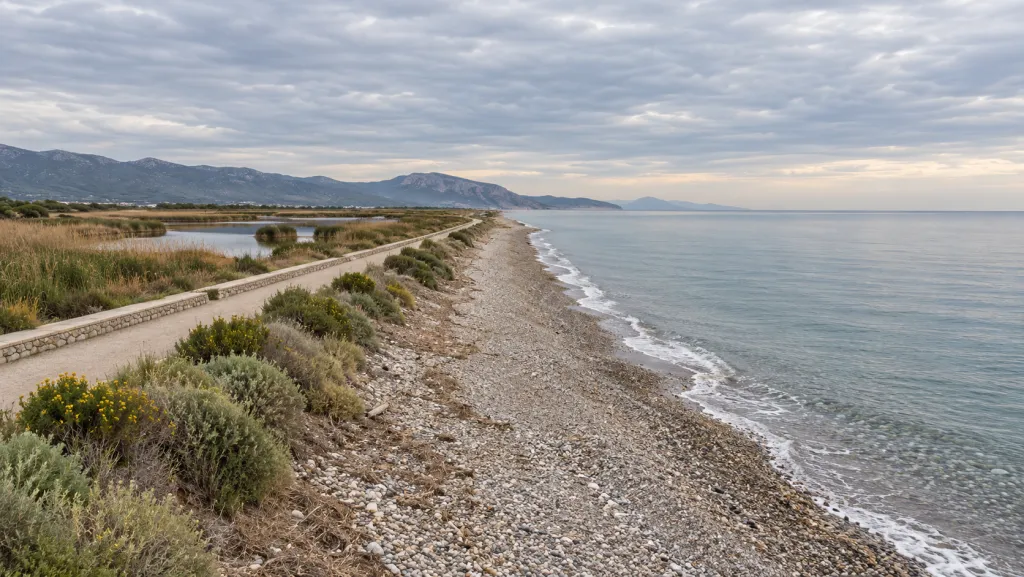
It’s a beach for strolling and enjoying the peace and quiet, not for those seeking the amenities of a town beach.
Quartell Vell Beach: the wildest
At around 3,300 metres long, Quartell Vell is the longest of the three. The seabed is a mixture of rock, pebbles, gravel and sand.
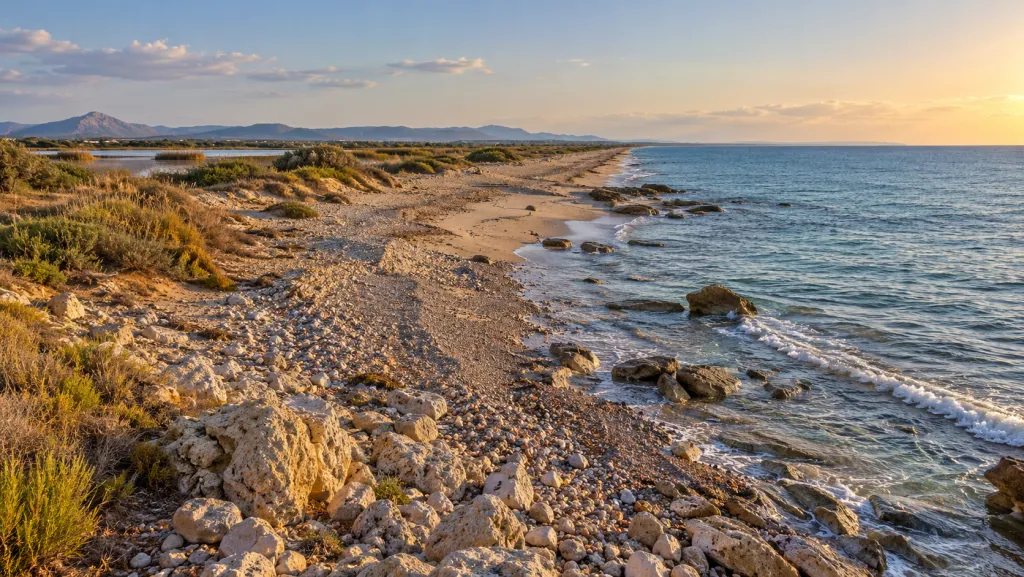
It’s the best choice for anyone looking for a day away from the crowds. It’s not the best option if you’re travelling with young children or need amenities nearby.
El Prat de Cabanes-Torreblanca: what lies behind the beaches
Behind Cudolà and Quartell Vell lies the Prat de Cabanes-Torreblanca Natural Park, a wetland shared by the municipalities of Cabanes and Torreblanca and designated as a Ramsar site. This is why these beaches are so largely undeveloped.
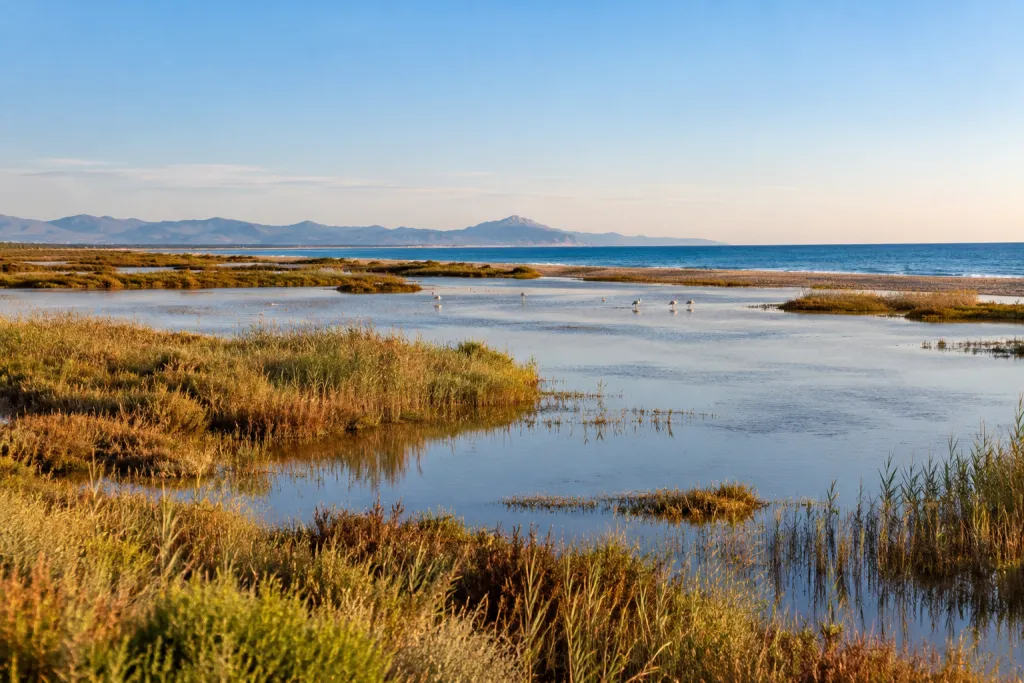
Near Torre la Sal beach, you’ll find the Prat de Cabanes-Torreblanca Interpretation Centre, where you can learn about the wetland before exploring it, and the Torre de la Sal Institute of Aquaculture (CSIC).
Further information about the park is available on the website of the Valencian Regional Government’s Natural Parks department.
Living near the beaches of Cabanes
The coastlines of Cabanes and Oropesa del Mar form a single stretch of beach. If you like the idea of having both a beach with amenities and other almost unspoilt beaches nearby, take a look at our flats in Oropesa del Mar.
Frequently asked questions about the beaches in Cabanes
How many beaches are there in Cabanes?
It has three main beaches: Torre la Sal, Cudolà and Quartell Vell, which together make up more than 6 kilometres of undeveloped coastline.
Which beach in Cabanes has the most facilities?
Torre la Sal beach: showers, toilets, walkways, litter bins, car park and disabled access.
How do you get to Torre la Sal beach?
By car via the N-340 or by bus.
Are the beaches in Cabanes sandy or stony?
It depends on the beach. Torre la Sal has a mixture of sand and gravel, Cudolà is pebbly, and Quartell Vell combines rock, pebbles, gravel and sand.
What is the Prat de Cabanes-Torreblanca?
It is a nature reserve and Ramsar wetland shared by Cabanes and Torreblanca, behind the beaches of Cudolà and Quartell Vell. There is an interpretation centre near Torre la Sal.
And if you’re coming from further afield, the ‘How to get to Oropesa del Mar’ section provides details on how to get there by road, train and from the airport.