


Contenido
Valencian cuisine is one of the richest and most varied in Spain, renowned for its wide range of traditional dishes that have been passed down from generation to generation. The region of Valencia is not only famous for its paella, but also for a wide variety of dishes and desserts that reflect its rich history and the abundance of local ingredients.
Valencian Paella
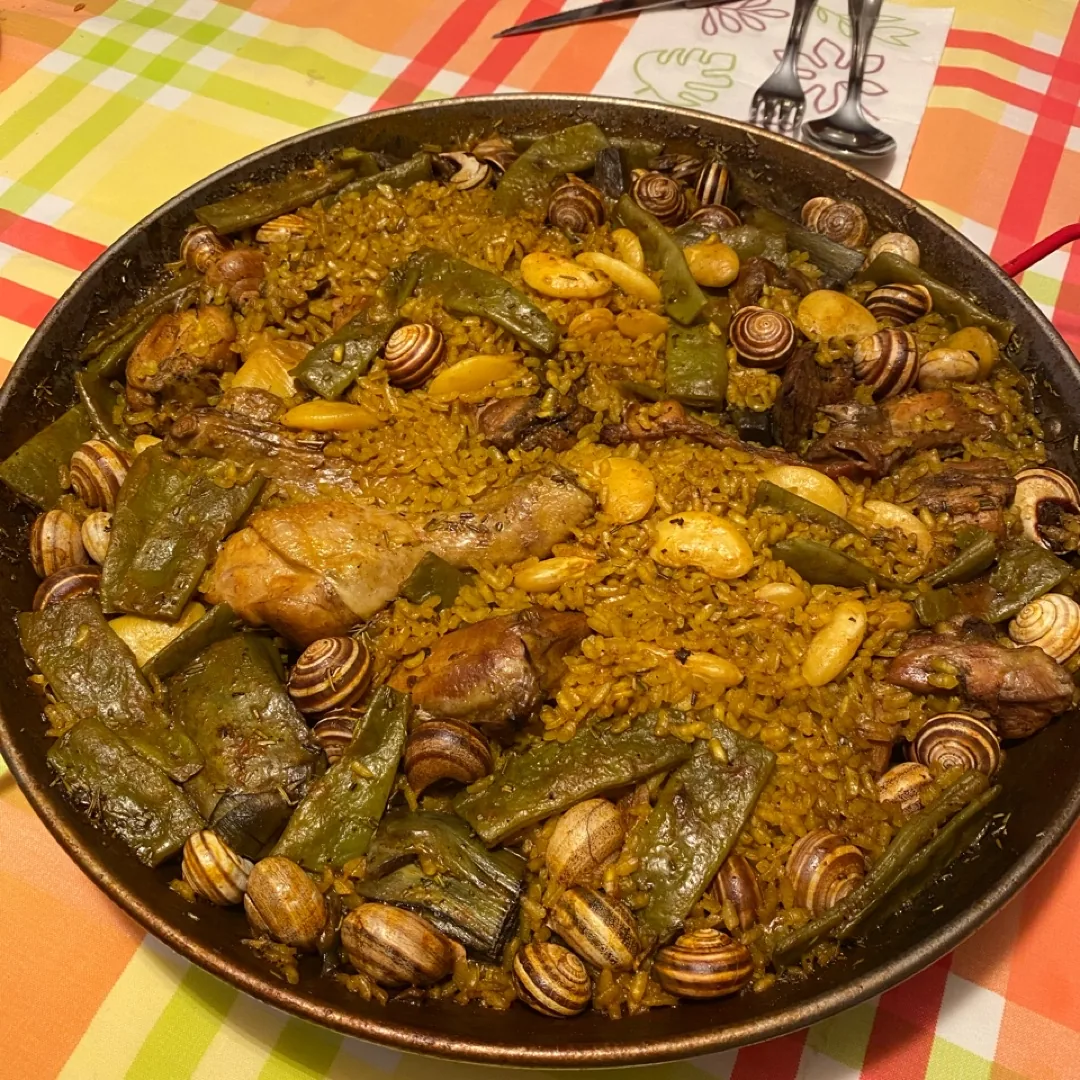
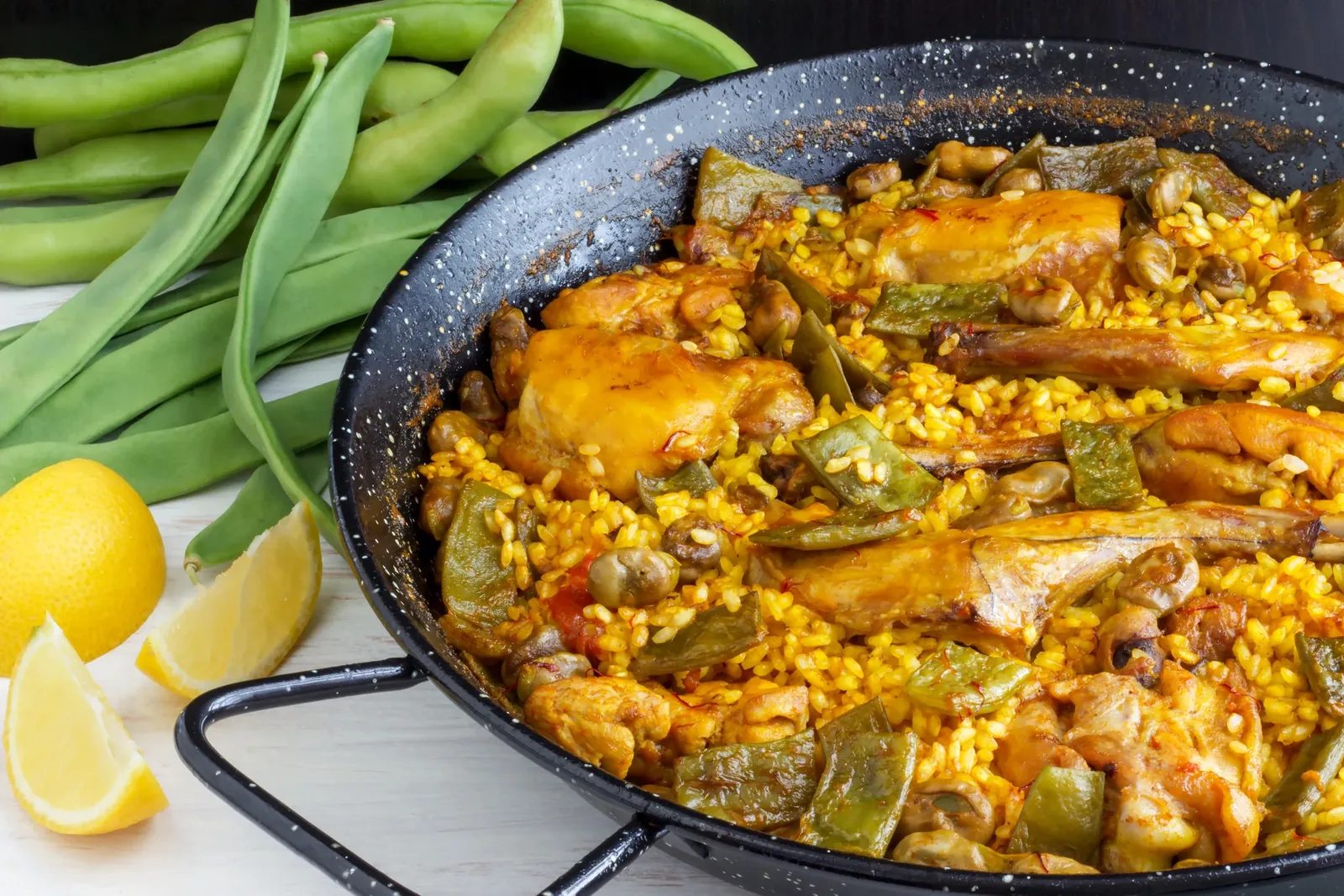
Paella is, without a doubt, Valencia’s most iconic dish and one of the best known internationally. This rice dish has its roots in the Albufera area, where it originated as a simple meal prepared by farmers. Traditionally, Valencian paella is made with rice, chicken, rabbit, green beans (ferraura), garrofón beans, tomato, olive oil, water, saffron and salt. Some also add snails and rosemary for a more authentic flavour.
Preparing Valencian paella requires precision and patience. It is cooked in a paellera, a wide, shallow frying pan that allows the rice to cook evenly. First, the meat and vegetables are sautéed; then the rice is added and stirred so that it absorbs the flavours well. The stock is then added, and the rice is simmered until it has absorbed all the liquid and is cooked to perfection – neither too dry nor too sticky. It is essential not to stir the rice whilst it is cooking so that it forms the characteristic ‘socarrat’, the golden, crispy layer at the bottom of the paellera.
Other Traditional Dishes from Valencia
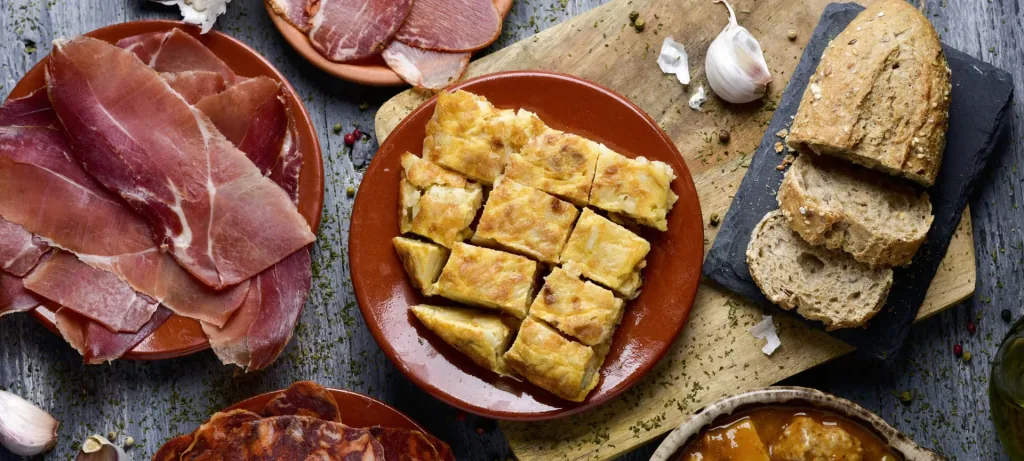
As well as paella, Valencia offers other equally delicious rice dishes, such as arroz a banda, a typical coastal dish cooked in fish stock and served with aioli. Fideuá is another variation, where noodles replace the rice, also cooked in a flavourful fish and seafood stock.
Esgarraet is another traditional dish that is very popular in Valencia. This simple yet delicious dish is made with desalted cod, roasted red peppers, garlic and olive oil. It is a light and flavourful option served as a tapa or starter, perfect for whetting the appetite.
Traditional Valencian Desserts
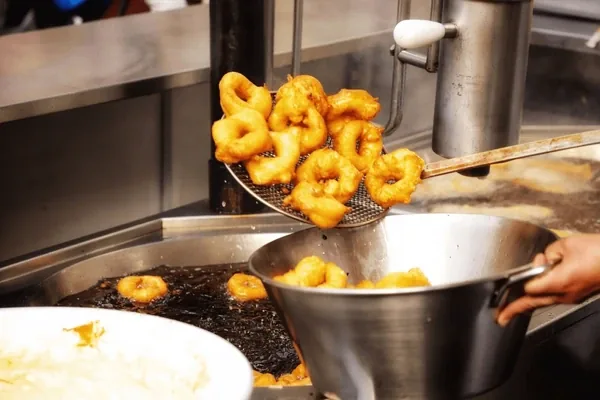
When it comes to desserts, Valencia also has plenty to offer. Pumpkin fritters are particularly popular during the Fallas, Valencia’s major festival held in March. These sweet treats are made from a batter of fried pumpkin and sprinkled with sugar, resulting in a delicacy that is crispy on the outside and fluffy on the inside.
Arnadí is another traditional dessert with ancient origins, made from pumpkin and almonds. It is usually prepared especially during Holy Week, and its sweet flavour and creamy texture make it a favourite amongst Valencians.
We mustn’t forget Jijona turrón, a sweet, sticky bar made with almonds, honey and sugar, which is particularly popular at Christmas. Although it originates from nearby Alicante, turrón is a fundamental part of Valencian confectionery.
Traditional Drinks of Valencia
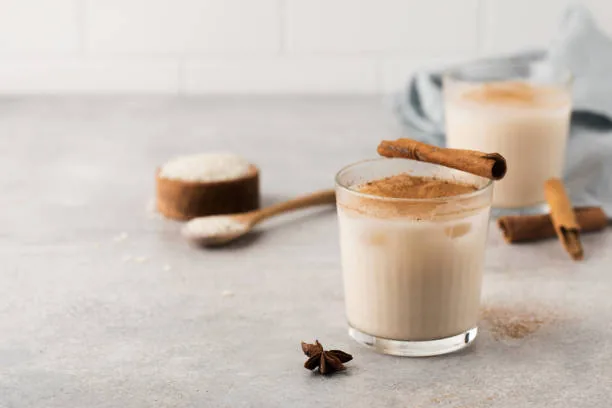
Horchata de chufa is perhaps Valencia’s most iconic drink. It is made from tiger nuts, a tuber grown in the region. This drink is sweet and refreshing, perfect for hot summer’s days, and is often enjoyed with fartons, long, sugary pastries that are dipped into the horchata.
Agua de Valencia is a very popular cocktail in the city’s nightlife. It is made with cava, orange juice, vodka and gin, and is known for its refreshing flavour and its ability to liven up any social gathering.
The Influence of Festivals on Valencian Cuisine
Festivities in Valencia have a profound influence on its cuisine. During the Fallas, the city is filled with food stalls where you can find typical dishes such as paella and pumpkin fritters. Furthermore, the festivities are often accompanied by large family lunches and dinners where traditional dishes are enjoyed.
At La Tomatina, although it is not a gastronomic festival, the tomato plays a key role. This festival has further popularised the use of tomatoes in Valencian cuisine, where they are already an essential ingredient in many dishes.
With this structure, the article not only highlights the famous paella, but also other dishes and drinks that make up Valencia’s rich culinary tradition, providing a comprehensive and detailed overview of its gastronomy.